
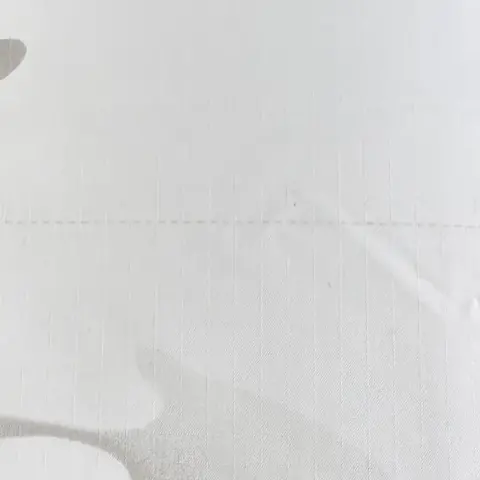
NR13PTAF6I
70D Nylon Grid IRR Printed Fabric
5 mm grid nylon fabric with IRR print, C6 durable water-repellent finish and breathable white PU coating for lightweight shelter panels.
70D nylonIRR printPU coating
TEC TENT / TECHNICAL TEXTILES
Coated, laminated and ripstop fabrics for tents, canopies, rain flies and portable shelters. From fabric selection and samples to testing and bulk production, work with one coordinated supply team.
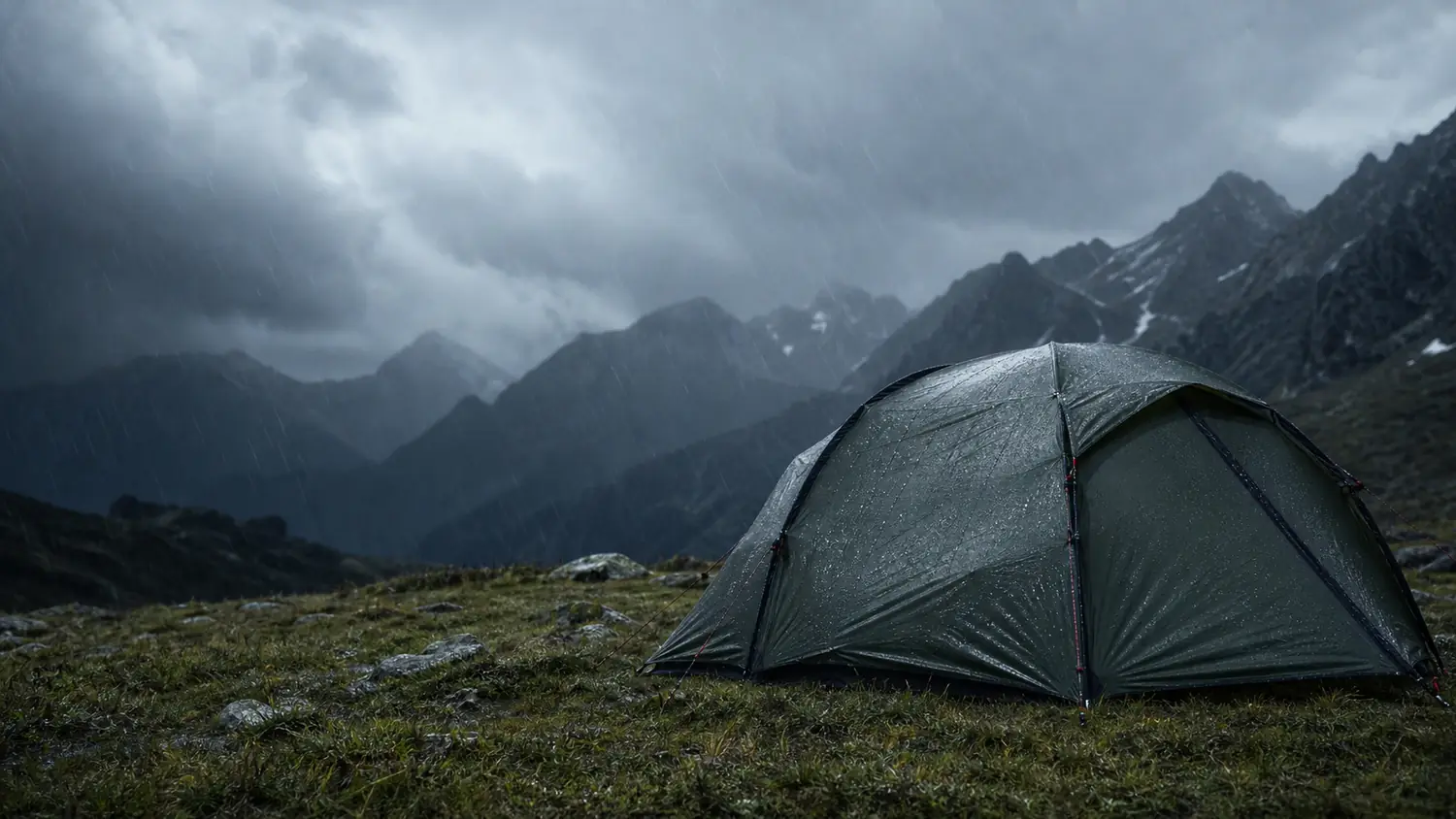
01 / APPLICATIONS

Choose fabric for flysheets, tent walls and other panels with a packed-weight target.

Compare coated constructions for outdoor exposure and repeated assembly.

Align the material, evidence and delivery milestones with the shelter specification.
02 / BUYER SOLUTIONS
Get a material that works on the line and can be repeated in bulk.
Check substrate compatibility before booking coating or lamination capacity.
Make a defensible trade-off between packed weight, appearance and protection.
Find out early whether the required material, documentation and timing can line up.
Featured solutions
Each card links to its own image gallery and fabric specification.
NR13PTAF6I
5 mm grid nylon fabric with IRR print, C6 durable water-repellent finish and breathable white PU coating for lightweight shelter panels.
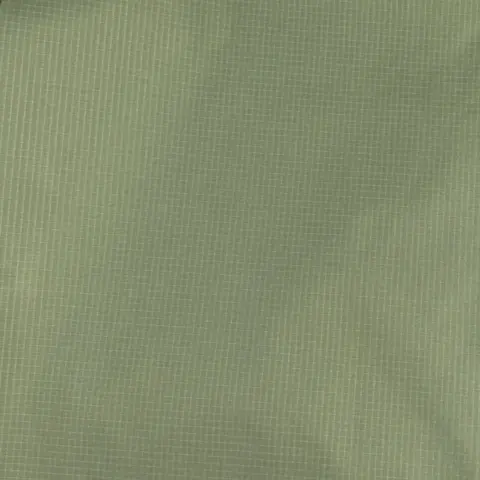
NR5BEDO6I
70D nylon taffeta with IRR dyeing, DWR and PU flame-retardant coating for compact shelter programs requiring rain and flame-performance discussion.
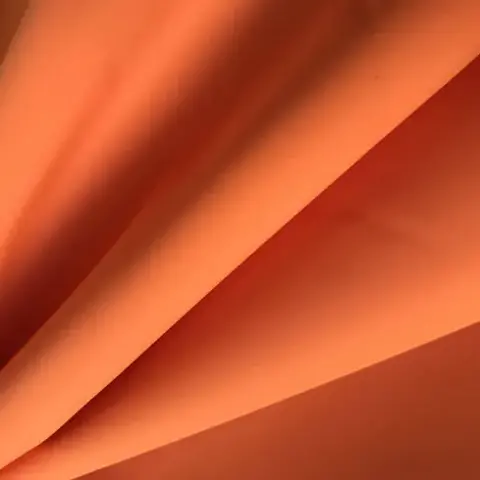
PP19ROEO6C
100% polyester 240T pongee with water-repellent treatment and PVC lamination for higher water-pressure shelter and cover requirements.

Testing and Quality
Testing supports practical fabric selection and helps align the sample with the required application.
Buyer FAQ
For light rain fly and tent-wall projects, 1,000–3,000 mm may be discussed first. For emergency shelters, canopies or longer exposure, 5,000–8,000 mm is often a better starting target. Final selection should consider seam design, expected rain intensity, packed weight and the buyer’s test method.
PU coating is usually preferred when the project needs a softer hand feel, lower weight and better packability. PVC lamination is useful when a stronger water barrier, robust coated surface or heavy-duty cover performance is the priority. The final route should be confirmed by sample, hydrostatic pressure test and folding/handling review.
Start with the fabric position: rain fly, side wall, ground-facing panel or frame-stressed area. Wind-exposed panels often need ripstop yarns, stronger denier or Oxford construction. Ask the project team to confirm tear method, target value, fabric weight limit and whether reinforcement tape will be used.
News
Compare coatings, define water-pressure targets and prepare your sample approval brief.
The company
Shanghai Brilliant Textile Co., Ltd. coordinates fabric selection, finishing, testing and production follow-up. Agree the sample, test evidence and acceptance criteria before bulk production.
Watch the company film
Have a specification, reference sample or tender requirement?